If I had a dollar for every time someone messaged me asking which wallet to buy, I could probably retire twice over.
It is one of the most common questions I get. And I completely understand why.
You search online, you get five different answers. You watch a YouTube video, you realise the creator is getting paid to recommend that product. You ask in a forum, you get told to just buy a Ledger, buy a Trezor, or buy whatever the loudest person in the room is using.
None of that is actually helpful.
So I built something to fix it.
The Problem With Most Wallet Advice Online
Let me be straight with you about how most wallet recommendations actually work.
A large portion of influencers and content creators promote whichever wallet is paying them the most at that moment. That does not mean the product is bad, but it does mean the recommendation is not neutral. It is commercial.
People also copy what others use without thinking about whether it fits their own situation. Someone reads that a well known trader uses a specific device, so they buy the same one. But that trader has a completely different setup, different amount of crypto, different technical skill level, and different needs.
Beginners are especially vulnerable here. You search for the best crypto wallet, and you immediately get hit with technical jargon. Air gapped. Open source firmware. Secure element chips. Passphrase protection layers.
For someone who just wants to move their coins off an exchange safely, that language is overwhelming and often pushes people toward making a random decision instead of an informed one.
There Is No Single Best Wallet
This is something I say often and I mean it every time.
The best crypto wallet is the one that fits your specific situation. There is no universal answer, and anyone who tells you otherwise is either oversimplifying or has a reason to push one product.
The right wallet depends on several factors.
Your budget matters. Some wallets cost under 50 dollars. Others cost over 200. If you are storing a small amount of crypto, it might not make sense to spend a lot on a device.
Your experience level matters. Some wallets are incredibly user friendly. Others have more advanced features that are genuinely useful, but they also come with a steeper learning curve.
Your security needs matter. Are you a long term holder who rarely accesses your wallet? Or do you move funds regularly? The answer changes what you need. If you are thinking longer term, you may also want to understand how quantum computing could affect wallet security in the future.
How often you use crypto matters. A hardware wallet designed for daily interaction is different from one designed to lock funds away for years.
Whether you travel matters. Some wallets are more durable and portable. Others are better suited to staying at home in a drawer.
Whether you are holding long term or actively managing positions matters. Your workflow shapes which device works best for you.
The 5 Questions That Actually Matter Before Buying a Wallet
Before you spend a single dollar on a hardware wallet, ask yourself these five questions.
- How much crypto am I protecting and does the cost of a premium device make sense for that amount?
- How comfortable am I with technology and do I want something simple or do I prefer advanced control?
- Am I planning to hold for years without touching it or will I be moving funds around regularly?
- Do I need to travel with this wallet or will it stay at home as a secure long term storage device?
- How important is open source transparency and community reputation to me when choosing a brand?
Your answers to these five questions will tell you more about the right wallet for you than any sponsored review ever will.
For a deeper breakdown of wallet types and security, read my full guide on how to choose the right crypto wallet.
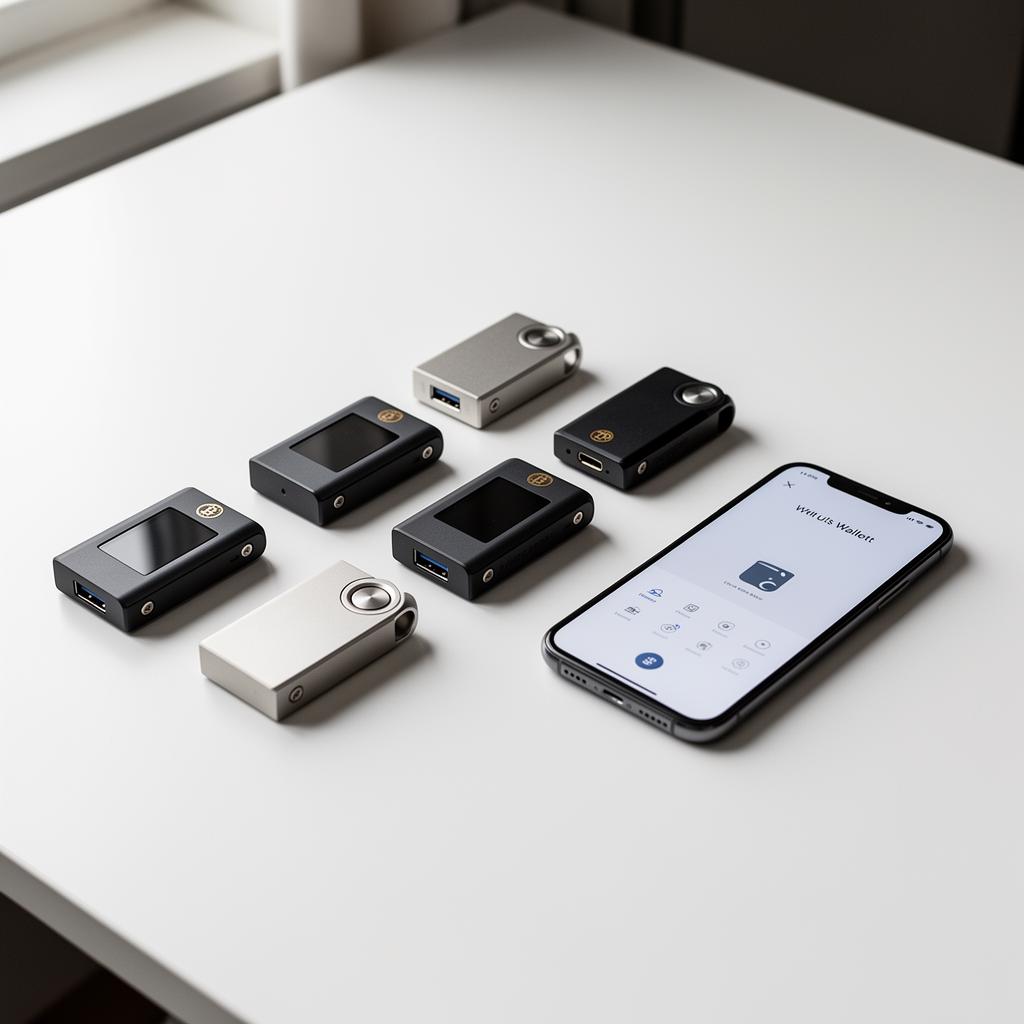
Why I Built the Crypto Wallet Picker
Honestly, I got tired of repeating myself.
Every week I get the same question in different forms. Which wallet should I buy? Is Ledger still safe after their breach? Should I get a Trezor or an Ellipal? What about Tangem?
And every time, the answer starts the same way. It depends.
It depends on who you are, how you use crypto, what you are protecting, and how technical you want to get.
I wanted to create something that could ask those questions automatically and give a clear, practical recommendation without bias.
No affiliate deals shaping the output. No brand partnerships influencing the result. Just a simple tool that takes your answers and points you toward the wallet that actually fits your situation.
I also wanted it to be fast. No signup required. No email form to fill in before you get access. No ten page quiz that makes you feel like you are applying for a mortgage.
Just a few quick questions and a clear answer.
How the Tool Works
The Crypto Wallet Picker is straightforward.
You answer a handful of questions about your situation. Things like how much crypto you are protecting, your comfort level with technology, how often you plan to access your wallet, and whether portability is important to you.
The whole thing takes under a minute. It is designed for real users, not tech experts.
Based on your answers, the tool gives you a hardware wallet recommendation that fits your profile. It covers the major options including Ledger, Trezor, Tangem, and Ellipal, and it points you toward the one that makes the most sense for where you are right now.
Try the free wallet picker here: cryptowalletpicker.com
Who This Tool Is For
The Crypto Wallet Picker is useful for a few specific groups of people.
If you are new to crypto and want to move your funds off an exchange for the first time, this tool helps you pick the right device without getting lost in technical comparisons.
If you are a long term investor who wants to store assets securely and forget about them for years, the tool helps you find a wallet designed for exactly that.
If you have been using an exchange and recently got serious about security, this is the fastest way to get a personalised recommendation without spending hours reading reviews.
If you simply have no idea which wallet to buy and feel overwhelmed by all the options, this tool cuts through the noise in under a minute.
It is not for advanced traders who already have a setup they are happy with. It is for everyone else who just wants a clear, honest answer to a genuinely confusing question.
Final Thoughts
Wallet security is not optional in crypto. It is one of the few things you have direct control over.
Exchanges get hacked. Platforms go under. Regulations change overnight. When that happens, the only people who come out okay are the ones who already took responsibility for their own keys. If you want to understand why self-custody matters more than ever, start there.
Getting a hardware wallet is not complicated. The hard part is knowing which one to get.
That is exactly the problem this tool solves.
If you are not sure which wallet fits your situation, just use the free tool here: cryptowalletpicker.com
It takes less than a minute and gives you a recommendation based on your actual needs, not on what someone was paid to promote.
Once you have selected an EVM-compatible wallet, see how to add Robinhood Chain to MetaMask and buy WHAT IF through Uniswap.
You can also explore more crypto tools and resources for investors, or read the full guide to AI crypto tools for serious investors.
Frequently Asked Questions
What does the Crypto Wallet Picker tool do?
The Crypto Wallet Picker asks you a series of simple questions about your experience level, how much crypto you hold, and what features matter to you. Based on your answers, it recommends a specific hardware wallet that fits your situation. It removes the guesswork from choosing a wallet.
Who is the Crypto Wallet Picker designed for?
It is designed for anyone who finds wallet comparisons confusing or overwhelming. Whether you are a complete beginner or an experienced holder looking to upgrade, the tool gives you a clear recommendation without requiring technical knowledge.
Does the tool help choose between hardware and software wallets?
The tool focuses specifically on hardware wallets because they offer the strongest security for long term crypto storage. If you are still using a software wallet or keeping funds on an exchange, the tool can help you make the transition to proper self custody.
Is the Crypto Wallet Picker free to use?
Yes. The tool is completely free. It was built to help people make better decisions about wallet security without being influenced by paid promotions or biased reviews.