There is a mistake I see over and over again in crypto.
A project builds something. Sometimes it is interesting. Sometimes it is complicated. Sometimes it is genuinely ambitious.
Then they approach creators, KOLs, advisors, speakers, marketers, and community builders as if we should be grateful for the opportunity to promote them for free.
That mindset is not confidence.
It is entitlement.
And honestly, it is one of the reasons many crypto projects fail.
I recently had an interaction with someone from a very early stage project. I am not going to name the project because that is not the point of this article. The point is the lesson.
They met me after one of my keynotes. They knew what I do. They knew I have a crypto audience. They knew I create content, speak at events, advise, market, educate, and build trust with an audience.
Then they wanted me to promote their project for free.
Not a mature product.
Not a proven ecosystem.
Not something with clear traction, serious marketing support, or obvious upside.
A very early stage project with a complicated concept that would require research, explanation, positioning, risk disclaimers, audience education, and my reputation attached to it.
And when I pushed back, the attitude was not appreciation.
It was entitlement.
No One Owes Your Project Attention
This is something many founders need to understand.
No one owes you coverage.
No one owes you a video.
No one owes you a tweet.
No one owes you a Telegram mention.
No one owes you advisory time.
No one owes you their audience.
And no one owes you their reputation.
If you are building a crypto project, it is your responsibility to earn attention, pay for attention, or create something so obviously valuable that attention comes naturally.
But walking up to people who have spent years building trust and expecting them to risk that trust for free is not strategy.
It is arrogance.
A KOL Is Not Just a Posting Machine
One of the biggest misunderstandings in crypto is that projects think a KOL is just someone who posts.
That is completely wrong.
A good creator is not selling a tweet or a video.
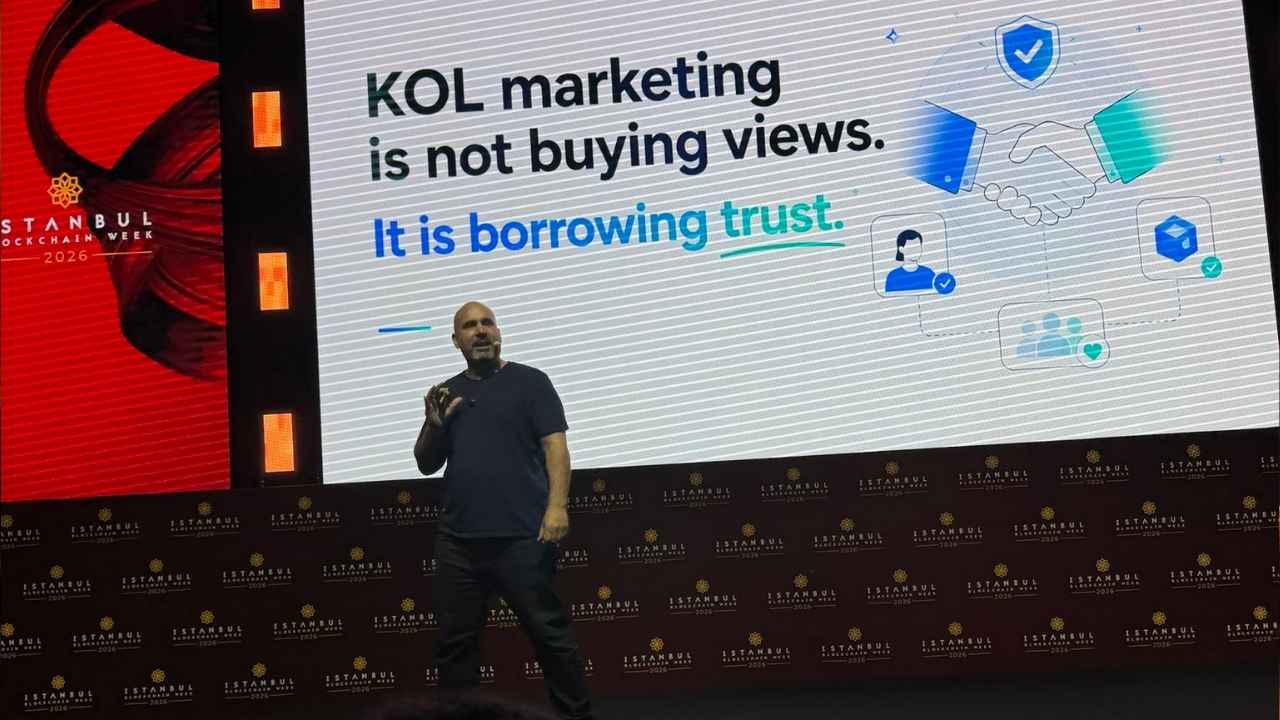
They are lending you trust.
They are lending you distribution.
They are lending you positioning.
They are lending you years of audience relationship.
They are lending you credibility that took years to build and can be damaged in one bad call.
That is the difference between a real crypto KOL marketing strategy and simply buying posts.
In my case, I am not just a KOL. I am a former CMO, author, speaker, creator, investor, trader, consultant, and someone who has been in crypto since 2017.
I have built my audience through content, events, research, live streams, bear markets, bull markets, mistakes, wins, health battles, and real experience.
That has value.
So when someone asks me to give that away for free, they are not just asking for a quick mention.
They are asking for my time, research, audience, credibility, and reputation.
That is not free.
Early Stage Projects Are Higher Risk, Not Lower Cost
This is another huge mistake projects make.
They think: we are early, so you should help us for free.
No.
Being early means the opposite.
Early stage projects are usually harder to explain, harder to verify, harder to trust, and riskier to cover.
If a project is already established, has users, traction, liquidity, audits, documentation, product market fit, a strong team, and a clear narrative, then content is easier.
But if a project is early, complicated, and unproven, it takes more work.
You have to understand what is live versus what is planned.
You have to understand the mechanics.
You have to check the risks.
You have to ask what happens if things break.
You have to position it carefully so the audience does not misunderstand.
You have to make sure you are not accidentally promoting something that later becomes a reputational problem.
That is not cheaper.
That is more expensive.

The Hard Questions Projects Must Be Ready For
If you are building something involving stablecoins, decentralized finance, payments, merchant adoption, algorithmic systems, liquidity, minting, burning, on ramps, off ramps, or anything that touches money, you need to be ready for serious questions.
People will ask:
- How does it hold stability?
- Where does liquidity come from?
- What happens in extreme market conditions?
- Who audits the system?
- What happens if the peg breaks?
- How are users protected?
- How does this deal with regulation?
- Why does this need a blockchain?
- Why this chain specifically?
- What is live today versus what is planned?
These are not attacks.
These are basic questions.
If your reaction to those questions is defensiveness, bitterness, or people just do not understand the vision, then you have a mindset problem.
And in crypto, mindset problems become business problems very quickly.
If You Have No Marketing Budget, You Probably Have a Bigger Problem
This is something I say often.
If a project has no marketing budget, it usually gets beaten by projects that do.
That does not mean the tech is bad.
It means attention matters.
Trust matters.
Education matters.
Distribution matters.
Narrative matters.
In crypto, the best technology does not automatically win.
The best communicated technology often wins.
The project that explains itself better wins.
The project that builds trust faster wins.
The project that gets in front of the right people wins.
The project that understands community wins.
The project that respects creators, educators, marketers, and advisors wins.
You can have brilliant technology and still fail because no one understands it, no one trusts it, no one talks about it, and no one knows why it matters.
That is not a tech problem.
That is a crypto marketing problem.
And if you do not respect marketing, do not be surprised when the market ignores you.
Free Advice Is Usually Not Valued
Here is the ironic part.
I took time to give feedback.
I explained the risks.
I explained why the approach was wrong.
I explained why the project needed serious communication and proper positioning.
I explained why expecting free promotion from someone with a trusted audience was not reasonable.
And then I realized something.
Most people do not value free advice.
That is why they ask for free marketing in the first place.
Because they do not understand the value of attention until they do not have any.
They do not understand the value of trust until they lose it.
They do not understand the value of reputation until they need to borrow someone else's.
Character Matters More Than Founders Think
A lot of crypto founders think success is just about tech, tokenomics, timing, or narrative.
It is not.
Character matters.
How you approach people matters.
How you handle rejection matters.
How you respond to feedback matters.
How you treat people who can help you matters.
If someone meets you after a keynote, gives you time, listens to your idea, considers your project, gives honest feedback, and explains why they cannot promote you for free, your reaction reveals a lot.
If your response is bitterness, entitlement, or disrespect, that is a red flag.
Not just for creators.
For investors.
For users.
For partners.
For exchanges.
For communities.
For anyone who may one day need to trust you.
A bad attitude can kill a good project.
And in crypto, where trust is already fragile, that matters even more.
What Projects Should Do Instead
If you are building a crypto project and want creators or advisors to help, here is the right approach.
First, respect their time. Do not ask for a quick mention when the topic requires research and reputational risk.
Second, be honest about where the project is. Do not sell a roadmap as if it is a finished product.
Third, have a budget. If you cannot afford serious marketing, say that clearly. But do not expect professionals to work for free because you are early.
Fourth, understand the value exchange. What does the creator get? Payment, equity, token allocation, advisory role, long term partnership, access? Something has to make sense.
Projects that understand crypto influencer marketing ROI treat influence as an investment, not a free resource.
Fifth, be coachable. If someone gives you uncomfortable feedback, do not take it as an attack. Take it as market research.
Because if one experienced person is thinking it, your audience, investors, and users may be thinking it too.
Why This Matters For Crypto Investors Too
This is not only a lesson for founders.
It is also a lesson for investors.
When you are researching a crypto project, do not only look at the whitepaper, tokenomics, roadmap, or technology.
Look at how the team communicates.
Look at how they handle criticism.
Look at whether they understand marketing.
Look at whether they respect the people they want help from.
Look at whether they can explain the project simply.
Look at whether they are building trust or demanding it.
A strong project does not need to beg for blind belief.
It earns attention by being clear, honest, useful, and professional.
And if the team acts entitled before they have even won the market, imagine how they may act when real pressure hits.
Final Thought
Crypto does not need more entitled founders asking for free promotion.
It needs more serious builders who understand that technology, communication, trust, and distribution all matter.
If your project is good, respect it enough to market it properly.
If your vision is serious, respect the people who can help you communicate it.
And if you want someone's audience, credibility, and reputation attached to your project, understand this clearly: that is not free.
Nor should it be.
Because in crypto, reputation is one of the few things that still has real value.
Work With The Crypto Factor
If you are a serious crypto project that understands the value of trust, crypto education, content, and distribution, you can reach out to The Crypto Factor for sponsorships, coverage, consulting, or strategic partnerships.
This is not about buying hype.
It is about working with someone who understands crypto, marketing, audience psychology, reputation, and how to communicate complicated ideas in a way people actually understand.
[Work With The Crypto Factor →](/contact)
FAQ
Why do crypto projects ask for free marketing?
Many early stage crypto projects underestimate the value of attention, trust, content, and distribution. They often see creators as posting machines instead of professionals who have spent years building an audience.
Should crypto KOLs promote projects for free?
Usually no. Free promotion can create reputation risk, audience risk, and research burden with no clear upside. A trusted creator is lending credibility, not just posting content.
Why is marketing important for crypto projects?
Marketing helps people understand what a project does, why it matters, why it can be trusted, and how it compares to competitors. In crypto, strong technology without clear communication can still be ignored.
What is the biggest mistake crypto founders make with creators?
The biggest mistake is approaching creators with entitlement instead of respect. If a founder wants access to someone's audience and reputation, there needs to be a fair value exchange.
Are early stage crypto projects more expensive to cover?
They can be, yes. Early stage projects often require more research, more risk checks, more disclaimers, and more careful explanation than established projects.
About the Author
Paul Democritou is the founder of The Crypto Factor, a crypto creator, speaker, author, former CMO, investor, trader, and consultant who has been involved in crypto since 2017.