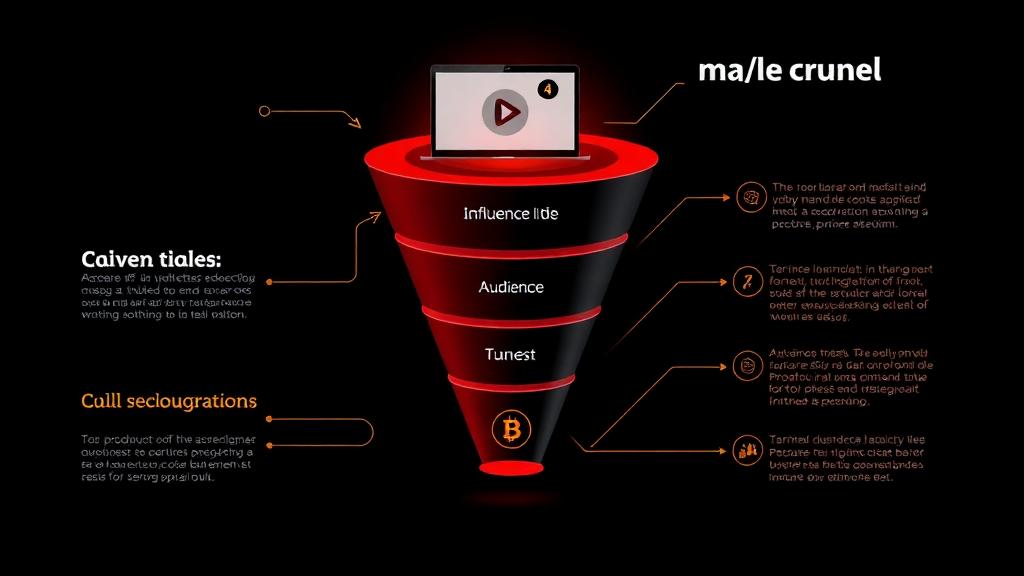
Crypto influencer marketing has become one of the most common marketing strategies in Web3. From token launches to debit cards, exchanges and AI projects, many crypto companies allocate a large part of their marketing budget to YouTubers, X creators, and community influencers.
But one question always comes up:
What kind of return on investment should a crypto project actually expect from influencer marketing?
The truth is that results vary widely depending on the influencer, the audience quality, and how the campaign is structured. Many projects measure the wrong metrics and focus on views instead of engagement, retention, and conversions.
Having been involved in crypto since 2017 as a trader, marketing executive, consultant, and content creator, I have seen both sides of this equation. I have worked with projects directly and also created campaigns on my own YouTube channel, The Crypto Factor.
In this article we will break down what realistic crypto influencer marketing ROI looks like, what metrics matter, and how projects should approach campaigns if they want measurable results.
In This Article
- Is Crypto Influencer Marketing Worth It?
- Why Influencer Marketing Works in Crypto
- Typical Crypto Influencer Campaign Costs
- Real Example: Crypto Debit Card Campaign
- Real Conversion Case Study
- Why Retention Matters More Than Views
- The Problem With Fake Crypto Influencers
- How Projects Should Measure Influencer ROI
- How This Fits Into a Larger Marketing Strategy
- Frequently Asked Questions
Is Crypto Influencer Marketing Worth It?
Often yes, but only if the influencer has a real audience and the campaign is structured correctly.
Key points:
- Crypto influencer campaigns can generate strong ROI when the audience is engaged and targeted.
- Retention and engagement matter far more than raw view counts.
- Smaller but trusted creators often outperform large channels with fake audiences.
- Projects should measure conversions, not just views.
Why Influencer Marketing Works in Crypto
Crypto is one of the few industries where community trust plays a massive role in adoption.
Traditional ads often struggle because crypto companies face restrictions on platforms like Google and Facebook. Influencer marketing fills that gap by allowing projects to reach audiences through creators who have already built trust with their communities.
In many cases, a YouTube video explaining a product can drive more adoption than thousands of dollars in display advertising.
That is why many crypto projects allocate part of their marketing budget to influencer campaigns.
Typical Crypto Influencer Campaign Costs
Crypto influencer marketing prices vary widely depending on audience size and engagement.
Typical ranges:
| Tier | Cost Range |
|---|---|
| Micro influencers | $500 to $2,000 |
| Mid-tier influencers | $2,000 to $10,000 |
| Large creators | $10,000 to $50,000+ |
For example, on my own channel The Crypto Factor, current pricing typically looks like this:
| Format | Price |
|---|---|
| Dedicated YouTube video | $4,000 |
| Video integration | $3,000 |
However campaigns can also include additional formats depending on the project.
These may include:
- Livestream promotions
- Multiple video campaigns
- Long-term partnerships
- Community education videos
Every project has different needs, so the structure of the campaign often changes.
If your project is exploring a campaign you can reach out directly through the Crypto Factor contact page to discuss options.
For a detailed breakdown of market pricing and how sponsorship deals are structured, see our guide to Crypto Sponsorship Rates in 2026.
Example Campaign: Crypto Debit Card Promotion
Real Example: Crypto Debit Card Campaign
One campaign on my channel promoted a crypto debit card product.
At the time of writing the video generated over 11,000 views and produced more than 600 user signups.
For many crypto products this type of conversion rate can represent a significant return depending on the lifetime value of each user.
More importantly, the traffic came from viewers who were genuinely interested in crypto tools rather than random ad traffic.
Real Conversion Case Study
In another campaign, a video with around 2,800 views generated approximately:
- 19 node sales
- Average price per node: $1,250
- Total revenue generated: approximately $22,800
In that example the marketing spend for the campaign was significantly lower than the revenue generated from the initial sales.
This does not include additional token purchases that occurred later.
This case study is explored further in Crypto Sponsorship Case Study: Real Signups vs Fake Views.
Why Retention Matters More Than Views
One of the biggest mistakes projects make when choosing influencers is focusing only on views.
Views alone do not determine whether a campaign will convert.
The metric that matters most is audience retention.

Retention measures how many viewers continue watching the video after the first 30 seconds.
Strong crypto YouTube channels typically retain:
60% to 70% of viewers after the first 30 seconds.
This indicates that the audience is engaged and genuinely interested in the content.
Channels with fake views or purchased traffic often show extremely low retention, which means the views have little marketing value.
For a deeper analysis of retention versus views, read Why Retention and Conversions Matter More Than Views in Crypto Marketing.
The Problem With Fake Crypto Influencers
Unfortunately the crypto influencer space also contains many channels with artificially inflated metrics.
Some creators purchase views or subscribers in order to appear larger than they really are.
These fake audiences often result in:
- Very low engagement
- Poor retention metrics
- Minimal conversions
Projects end up paying thousands of dollars for exposure that reaches almost no real audience.
This is why marketers should always verify influencer statistics before launching campaigns.
A deeper explanation of this problem can be found in How to Spot Fake Crypto Influencers Before You Waste Your Budget.
How Projects Should Measure Influencer ROI
Instead of focusing only on views, projects should evaluate campaigns using several metrics.
Important metrics include:
- Audience retention — how much of the video viewers actually watch
- Conversion rate — signups, downloads, or purchases relative to views
- Community engagement — comments, questions, and follow-up interactions
- Signups or product usage — direct measurable actions
- Long term brand exposure — evergreen content that continues driving traffic
When these metrics are strong, even relatively small channels can produce meaningful results. One of the biggest mistakes is confusing exposure with influence, which is why many campaigns look successful but fail to convert.
Crypto Influencer Campaign Structure
A successful campaign typically includes multiple touchpoints rather than a single post.
Examples include:
- Dedicated YouTube review
- Integration within existing content
- Livestream discussions
- Follow-up updates
Combining these formats can increase exposure while maintaining credibility with the audience.
How This Fits Into a Larger Marketing Strategy
Influencer marketing should not exist in isolation.
It works best when combined with:
- Strong product fundamentals
- Community building
- Ongoing content creation
Major global events like TOKEN2049 Dubai coverage demonstrate how conferences create real exposure for crypto projects.
For a breakdown of typical campaign pricing see Crypto Sponsorship Rates in 2026.
For projects exploring partnerships with creators see Hire a Crypto Influencer in 2026.
For the full strategic overview of KOL marketing see Crypto KOL Marketing: How to Choose the Right Influencers.
I regularly write about crypto marketing strategy and campaign analysis. You can explore more of my marketing content in the Crypto Marketing section.
Frequently Asked Questions
Is crypto influencer marketing profitable?
It can be profitable when the influencer has a real engaged audience and the campaign targets the right users.
What ROI should projects expect from influencer marketing?
Results vary widely, but campaigns can generate strong ROI when conversion rates and retention are high.
How can projects detect fake crypto influencers?
Projects should check retention statistics, engagement levels, and historical growth patterns to detect artificially inflated channels.
Is a small influencer better than a large one?
Sometimes yes. Smaller creators with loyal communities often produce stronger engagement and conversions.
How should projects structure influencer campaigns?
Successful campaigns often include multiple formats such as dedicated videos, integrations, and livestreams.