If you are searching for how to hire a crypto influencer, you likely fall into one of three categories:
- You are launching a token or product.
- You want exchange listings or user growth.
- You have marketing budget but no clear performance strategy.
Crypto influencer marketing in 2026 is no longer about paying for exposure.
It is about measurable outcomes.
This guide breaks down:
- How to hire the right crypto influencer
- What sponsorships should cost
- How to avoid fake views
- How to structure campaigns
- How to calculate ROI
- When not to hire a KOL
Step 1: Define Your Objective Before Hiring
Most projects make this mistake:
They hire a crypto influencer without defining the outcome.
Ask yourself:
Are you trying to get:
- Signups?
- Exchange deposits?
- Brand credibility?
- Narrative positioning?
- Investor education?
- Long-term authority?
Each objective requires a different type of creator.
Step 2: Understand the Types of Crypto Influencers
There are generally five categories:
1. Trading-Focused Influencers
Audience: Active traders
Best for: Exchanges, perpetual DEXs, trading tools
2. Infrastructure and Education Channels
Audience: Long-term investors
Best for: Wallets, debit cards, AI tools, serious protocols
3. Gaming and Narrative Channels
Audience: NFT and gaming communities
Best for: Web3 gaming and AI tokens
4. Regional Influencers
Audience: Language-specific markets
Best for: EU expansion, LATAM growth, localized trust
5. Pump Channels
Audience: Short-term speculation
Best for: Nothing sustainable
Be very careful with the fifth category. In many cases, mid tier crypto YouTubers in the infrastructure and education tiers deliver far stronger engagement efficiency than larger channels.
Step 3: How to Evaluate a Crypto Influencer
Before signing any deal, ask for:
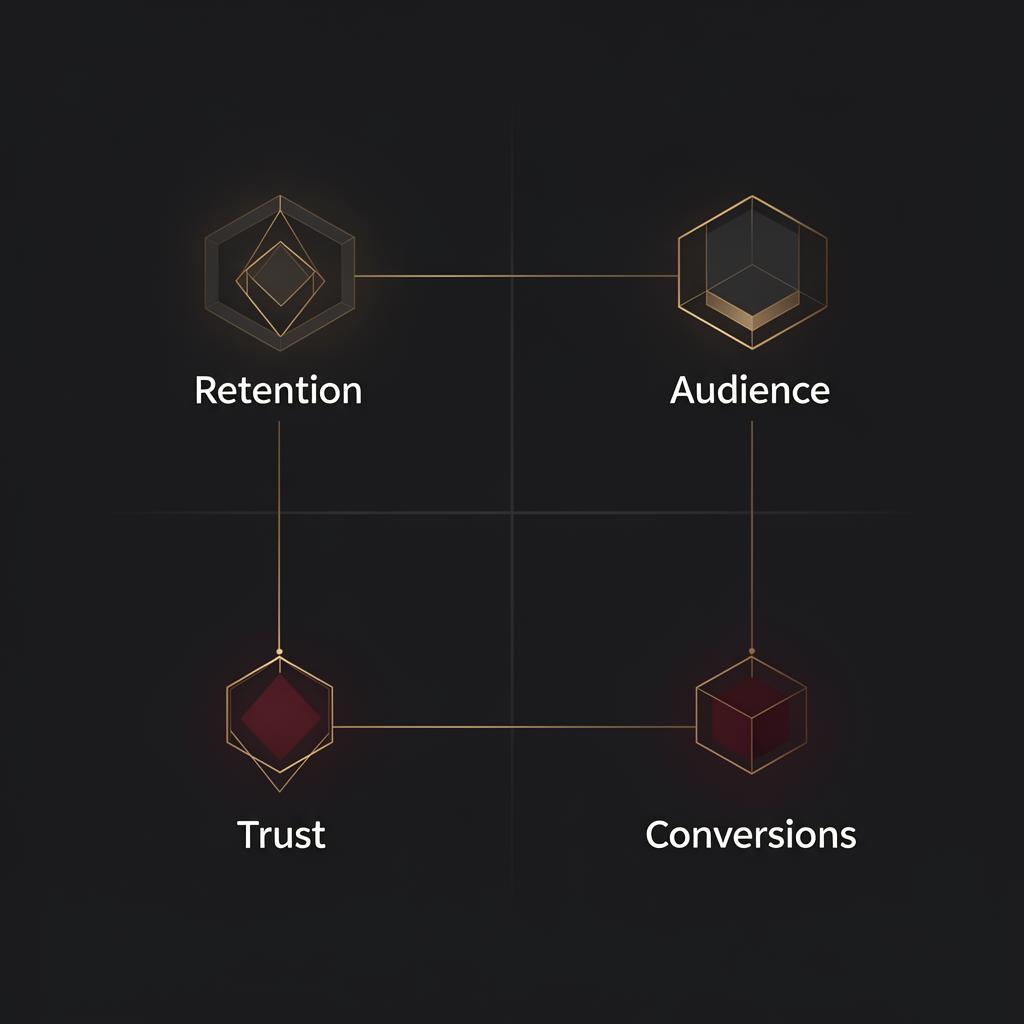
- Audience retention data
- Organic traffic confirmation
- Historical campaign examples
- Conversion breakdowns
- Clear disclosure practices
If a creator cannot show past results, you are buying visibility, not performance.
For example, here is a transparent sponsorship breakdown:
View real campaign conversion data
This shows real signups, not vanity impressions.
Step 4: Understand Crypto Sponsorship Rates
Rates vary significantly.
Small channels: $300 to $1,500
Mid-tier channels: $1,500 to $6,000
Established brands: $6,000 to $25,000+
But price alone means nothing.
A $1,000 sponsorship that converts is more valuable than a $10,000 campaign with zero retention. For a deeper breakdown of campaign performance expectations, see our guide to Crypto Influencer Marketing ROI.
For a deeper breakdown:
Read the full crypto sponsorship rates guide
Step 5: Structure the Campaign Properly
The biggest mistake projects make is requesting:
"Please mention our token."
That does not work.
A proper crypto influencer campaign should include:
- Narrative alignment
- Educational framing
- Transparent risk discussion
- Clear call to action
- Trackable links
- Post-campaign performance review
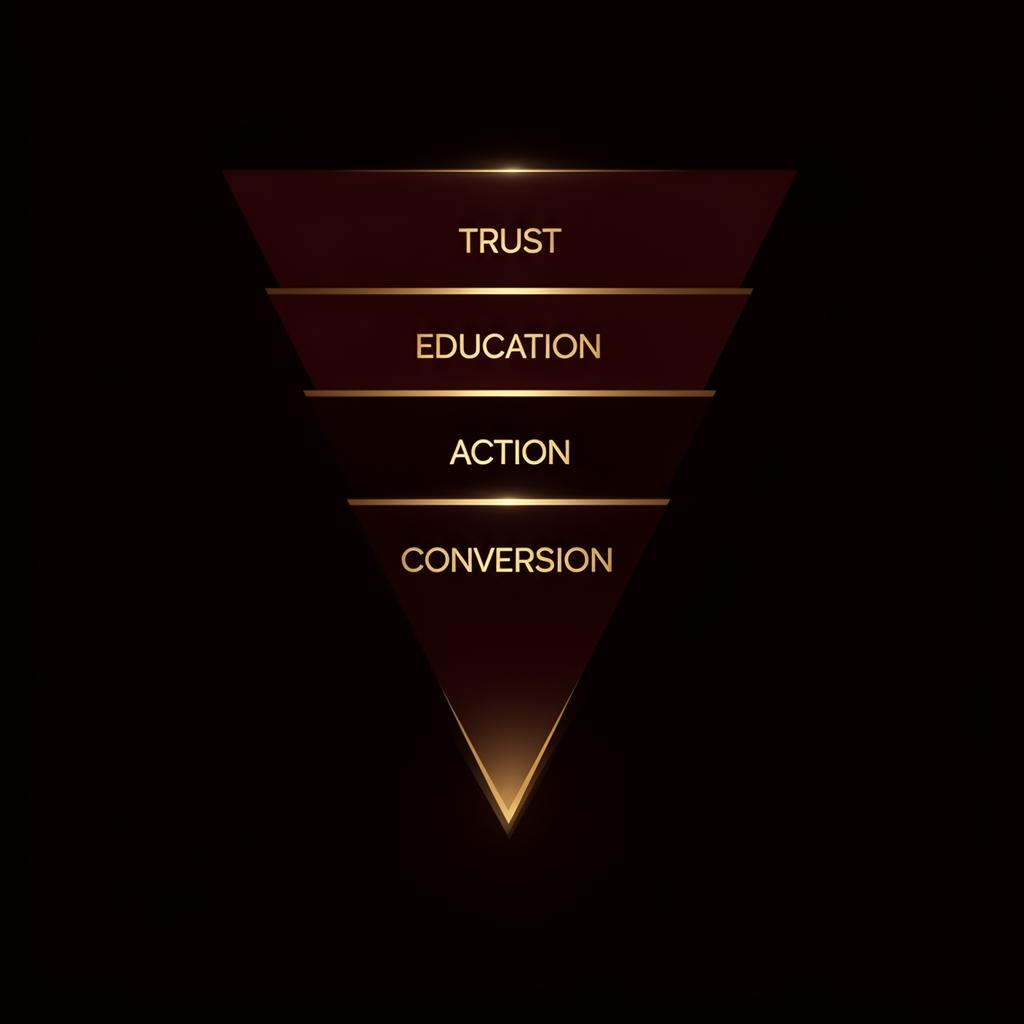
Influencer marketing in crypto must build trust first.
Without trust, there is no conversion.
Step 6: Red Flags When Hiring a Crypto Influencer
Avoid creators who:
- Promote multiple projects per week
- Delete comments frequently
- Refuse to share retention data
- Have suspiciously high view spikes
- Guarantee price appreciation
Also avoid projects who:
- Expect guaranteed token pumps
- Have unclear tokenomics
- Prioritize hype over product
Quality influencers reject low-quality projects.
That selectivity is a strength, not a weakness.
Step 7: When You Should NOT Hire a Crypto Influencer
Do not hire an influencer if:
- Your product is not ready
- Your tokenomics are weak
- You lack compliance clarity
- You want short-term manipulation
Influencer marketing amplifies what already exists.
It does not fix structural flaws.
Step 8: Direct vs Agency vs Hybrid
You have three options:
Direct Hire
You contact the creator directly.
Pros:
- Lower cost
- Direct relationship
Cons:
- No structured campaign architecture
- Harder to scale
Agency
You hire a marketing agency.
Pros:
- Campaign design
- Performance tracking
- Influencer vetting
Cons:
- Higher fees
Hybrid Model
Direct relationship + strategic oversight.
For structured Web3 campaigns:
DigiFyre Marketing works selectively with projects requiring influencer architecture, retention tracking, and performance optimization.
Step 9: Scarcity and Selectivity
The best crypto influencers:
- Limit sponsorship frequency
- Reject most proposals
- Prioritize audience trust
- Maintain long-term credibility
At Crypto Factor, sponsorship slots are limited each quarter.
Not all applications are approved.
Details here: View sponsorship options
You can also explore AI-powered crypto tools and resources:
Frequently Asked Questions
How do I find the right crypto influencer to hire?
Start by defining your campaign objective, then evaluate creators based on audience alignment, retention data, and past conversion performance rather than subscriber count.
What should a crypto sponsorship cost in 2026?
Rates range from $300 to $25,000+ depending on channel size and audience quality. The real metric is cost per conversion, not cost per view.
How do I avoid fake views when hiring a crypto influencer?
Ask for retention data, check comment quality, review growth patterns for sudden spikes, and request past campaign conversion proof before signing.
Should I hire one big influencer or several smaller ones?
Diversification across two to three aligned creators typically outperforms concentrating budget on a single large channel.
When should a crypto project NOT hire an influencer?
If the product is not ready, tokenomics are weak, or the goal is short-term price manipulation, influencer marketing will amplify problems rather than solve them.
Final Thoughts: Hiring the Right Crypto Influencer
Hiring a crypto influencer is not a media buy.
It is a trust transfer.
If the influencer's audience trusts them, and they trust your project, the campaign can compound over time.
If either side lacks credibility, the campaign collapses.
Before hiring anyone, define:
- Your objective
- Your audience
- Your budget
- Your timeline
- Your compliance position
Then choose carefully.
If you are serious about structured, performance-focused campaigns, review the sponsorship criteria here:
And study real conversion data before spending:
Quality over hype. Long-term over noise.