Summary
There is a fundamental misunderstanding happening in crypto marketing right now.
On the surface, everything looks better than ever.
You can get influencer placements for a few hundred dollars. Content is everywhere. Exposure is cheap.
So naturally, most projects are doing the same thing.
They are shifting budget toward cheaper KOLs, expecting the same results they used to get from established creators.
And that is exactly where they go wrong.
Because what looks like efficiency is actually dilution.
What looks like scale is actually noise.
And what looks like growth is often nothing more than inflated metrics.
---
Quick Answer
Crypto KOL marketing in 2026 is failing because projects confuse exposure with influence. Cheap KOLs can generate visibility, but only trusted creators drive conversions. The winning strategy is to separate these roles and use each intentionally.
---
Table of Contents
- What Is Actually Happening in the Market
- The Shift Nobody Is Talking About
- Why Metrics No Longer Mean Anything
- The Real Mistake Companies Are Making
- Exposure vs Trust
- Why Cheap KOLs Still Matter
- The Psychology Behind It
- Where Trust Comes From
- The Strategy That Actually Works
- A Simple Campaign Structure
- Why This Matters More Now
- My Experience Since 2017
- The Bottom Line
- FAQ
---
What Is Actually Happening in the Market
If you are running a crypto company right now, you have likely noticed this.
KOL placements are cheap.
You can get videos for $200 to $500.
At first glance, this looks like an opportunity.
It is not.
It is a signal.
The market has been flooded.
Not with better creators.
With more creators.
---
The Shift Nobody Is Talking About
Most of these new KOLs are not traditional influencers.
They are faceless channels, AI-generated voices, and high-volume content systems.
Some are real people using AI to scale.
Others are fully automated.
The result is the same.
More content.
Less trust.
---
Why Metrics No Longer Mean Anything
This is where most projects get misled.
They see views, uploads, and engagement numbers.
But a large part of this ecosystem is built on inflated metrics.
Bought views. Artificial engagement. Recycled content.
If you have not been burned by this yet, you will.
And when it happens, it will look like a good campaign on paper and a failure in reality.
If you want to understand how to detect this properly, read how to spot fake crypto influencers.
---
The Real Mistake Companies Are Making
The mistake is not using cheap KOLs.
The mistake is expecting them to behave like premium ones.
A $300 placement is not a discounted version of a $5,000 placement.
It is a different asset entirely.
---
Exposure vs Trust
There are only two things that matter in influencer marketing.
Exposure.
Trust.
Cheap KOLs give you exposure.
Real creators give you trust.
Most companies are trying to buy trust at exposure prices.
That is why they lose money.
To understand what separates a KOL from a regular influencer, read what is a KOL in crypto.
---
Why Cheap KOLs Still Matter
Here is the nuance.
Cheap KOLs are not useless.
They just serve a different role.
They create familiarity.
And familiarity is the first step in conversion.
People do not act on something they have never seen.
---
The Psychology Behind It
Users rarely convert on first contact.
They need repetition.
They need recognition.
They need to feel like they have seen something before.
By the time they are ready to act, they are not discovering your product.
They are confirming it.
---
Where Trust Comes From
Trust does not come from volume.
It comes from credibility.
From consistency.
From creators who have built a real audience over time.
This is where real KOLs operate.
---
The Strategy That Actually Works
Once you separate exposure and trust, the strategy becomes clear.
You stop expecting one to do the job of the other.
You build a system instead of running random campaigns.
---
A Simple Campaign Structure
Use smaller KOLs to create repeated exposure.
Use one or two strong creators to validate the product.
The exposure creates familiarity.
The authority creates trust.
The combination creates conversion.
To understand how to measure influencer ROI properly, read crypto influencer marketing ROI.
---
Why This Matters More Now
AI has changed the supply side.
Content is unlimited.
Attention is fragmented.
Trust is scarce.
That makes credibility more valuable than ever.
---
My Experience Since 2017
I have been in crypto since 2017.
I have seen projects waste millions chasing views instead of results.
This cycle is different because the scale of noise is higher.
AI has accelerated everything.
And most companies have not adapted yet.
---
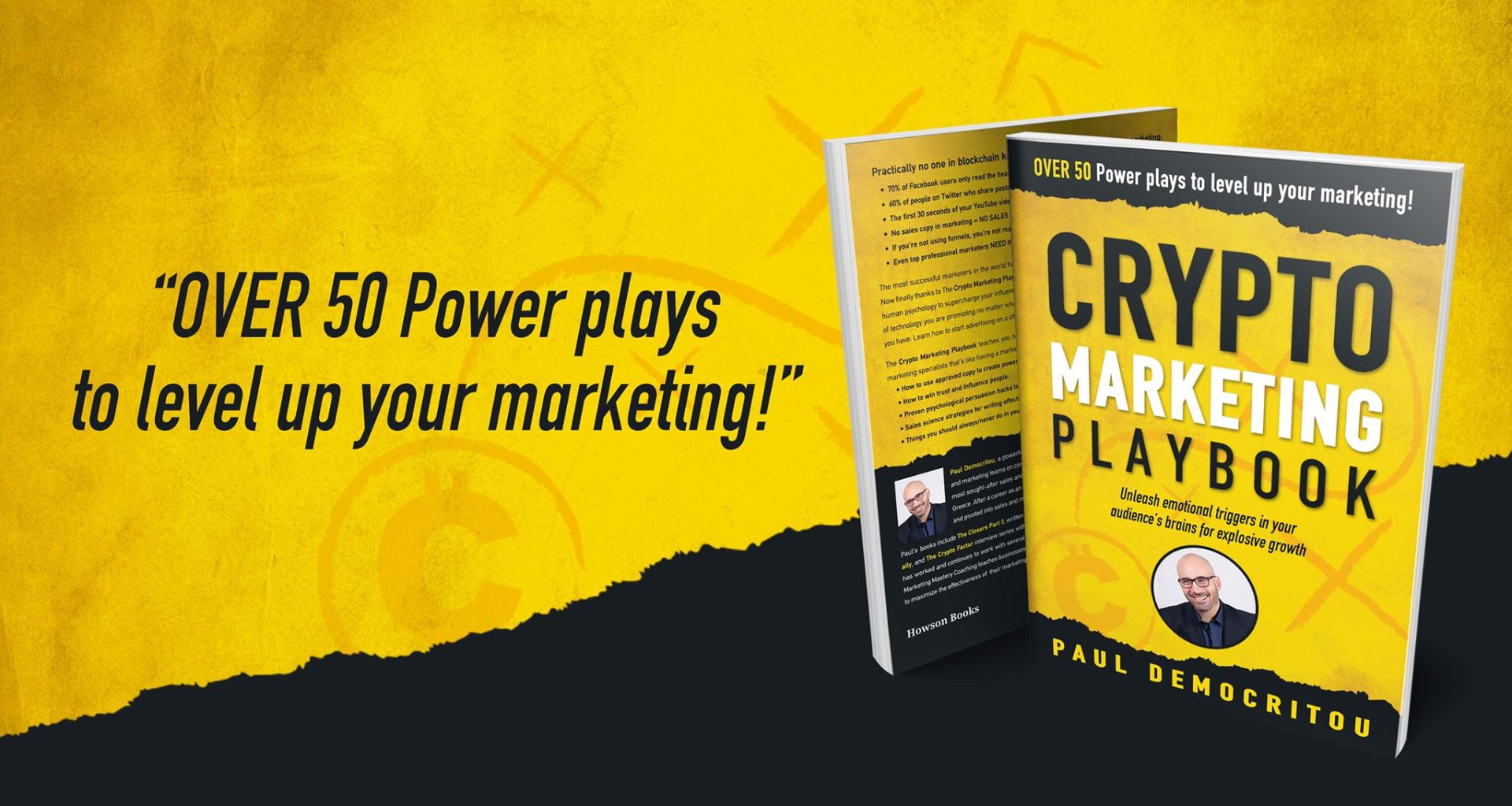
I Go Deeper in My Book The Crypto Marketing Playbook
---
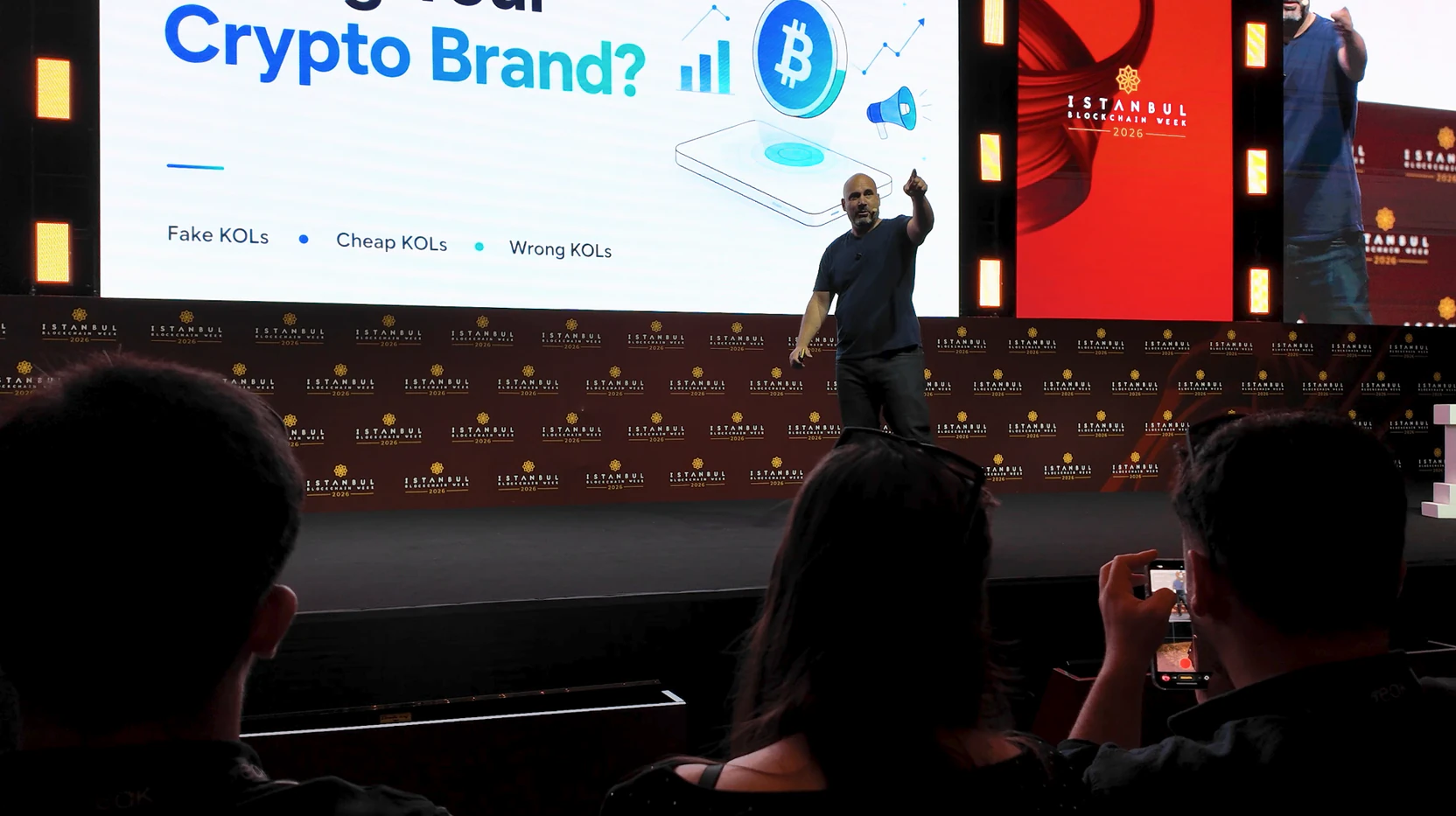
Watch: Fake KOLs and How Projects Get Scammed
---
The Bottom Line
The market has not become worse.
It has become noisier.
Cheap KOLs are not the problem.
Misunderstanding how to use them is.
If you structure your strategy correctly, this environment becomes an advantage.
---
Work With Me
If you want a crypto marketing strategy that actually converts:
Subscribe: The Crypto Factor on YouTube
FAQ
What is crypto KOL marketing?
Crypto KOL marketing is the use of Key Opinion Leaders to promote crypto products, exchanges, or services to their audience. Unlike regular influencers, KOLs are defined by their subject-matter expertise and the trust they have built through consistent analysis and industry involvement.
Why are KOLs so cheap in 2026?
Because AI-generated content, global creator supply from lower-cost regions, and extremely low barriers to entry have flooded the market with channels that produce volume over quality. This has driven average placement prices down significantly.
Do cheap KOLs convert?
Usually no. Cheap KOLs are better suited for exposure and brand familiarity rather than performance marketing. They can help build recognition through repetition, but trust and conversions typically require established creators with real audience relationships.
What drives conversions?
Trust combined with repeated exposure. Users need to see something multiple times before acting, but they only convert when a credible source validates the product. This is why separating your exposure and authority layers is critical.
What is the biggest mistake projects make?
Expecting cheap influencers to deliver high-quality results. When projects judge $300 placements by the same ROI standards as $5,000 partnerships, they either waste budget chasing volume or give up on influencer marketing entirely before it has a chance to work.
---
About the Author
Paul Democritou is the founder of The Crypto Factor, a crypto investor, author, keynote speaker, and marketing consultant who has been in the industry since 2017.
He is the author of Crypto Marketing Playbook and Crypto Marketing Essentials, and has worked with exchanges, Web3 projects, and blockchain companies on influencer strategy, sponsorship campaigns, and brand positioning.
Connect on X (@mcpauld) or LinkedIn.